






Oxidized sebum on the scalp is simply your natural scalp oil that has sat on the skin and hair long enough to thicken, darken or turn waxy, usually mixed with sweat, dust, sunscreen and styling products. It is common, it is usually a cosmetic issue, and in 2027 the fix is a gentle routine: cleanse the scalp properly, rinse thoroughly, condition only the lengths and keep the scalp comfortable. Here is what it is, why it builds up in the UAE, and how to clean it step by step.
What Is Oxidized Sebum?
Sebum is the natural oil your scalp produces. It is not the enemy: it helps keep the scalp and hair feeling soft and protected. The trouble starts when that oil is not washed away often enough or thoroughly enough. When oil is exposed to air and heat for hours, it can change in texture and smell, which is what people mean by "oxidized". It can feel tacky, look yellowish or dull, and give hair a heavy, flat look near the roots.
On top of that, oil rarely sits alone. Sweat, dry shampoo, leave-in products, hair oils, sunscreen on the hairline and city dust all mix with it. The result is the scalp buildup many women describe as "my hair feels dirty even right after washing". If you would like a deeper look at the oil itself, our article on the science of sebum explains how a natural protector can become a weighty problem.
What are crystallized sebum balls?
You may have seen photos or videos of small, waxy or whitish clumps around the base of hairs, often called crystallized sebum or sebum plugs. In general, these are oil and product residue that has hardened into a small mass near the root. They are not a diagnosis of anything, and every scalp looks different. If you are unsure what you are seeing, or the area is sore, a doctor or dermatologist is the right person to look at it.
Why It Builds Up So Easily in the UAE
Life in the Gulf gives oil and residue plenty of chances to collect:
- Heat and sweat. Walking from a cool building to a hot car and back leaves the scalp warm and damp several times a day.
- Air conditioning. Indoor air can leave the lengths dry while the roots still feel oily, so many women use more product on the lengths and wash less thoroughly at the scalp.
- Hijab, caps and tight styles. Covered hair holds warmth and moisture against the scalp for long hours.
- Water quality. Hard or heavily treated water can leave a film on hair. Read more in our guide to hard water and hair loss for UAE women.
- Layering products. Oils, sprays and dry shampoo are easy to stack up without a proper reset wash.
Signs You Have Sebum Buildup
You do not need a test. These everyday signs usually point to oil and residue building up:
- Hair looks greasy or flat by the afternoon, even after a fresh wash.
- The scalp feels slightly sticky or heavy, or has a stale smell.
- Small whitish or yellowish clumps sit at the roots.
- Styling products stop working the way they used to.
- The scalp feels itchy between washes.
Some of these signs can also come from other scalp conditions, so if your scalp is very itchy, painful or flaking, please see a doctor or dermatologist rather than treating it at home.
How to Clean Oxidized Sebum Step by Step in 2027
A reset does not need harsh scrubbing. Patient, thorough cleansing with warm (not very hot) water does most of the work.
Step 1: Start with the water
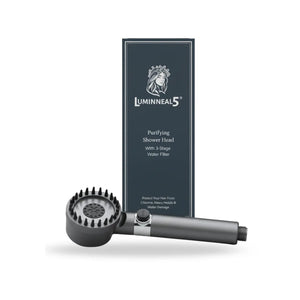
Filtered water makes rinsing easier to get right. The Luminneal5 Purifying Shower Head (AED 79) is designed with a 3-stage filter to reduce chlorine, heavy metals and impurities, plus high pressure, 3 spray modes, a one-touch stop button and a built-in scalp massage brush. It cannot promise anything about your hair, but it can help reduce what reaches your hair and scalp as part of a routine, and the pressure and massage brush make it easier to rinse the roots well.
Step 2: Wet thoroughly and cleanse the scalp first
Soak the hair fully, then wash with your regular shampoo, focusing on the scalp. Use your fingertips, not your nails, and massage in small circles. Rinse well, because leftover foam is itself a source of residue.
Step 3: Follow with a second, soaking wash
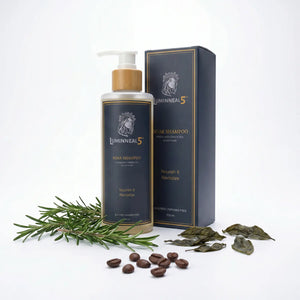
The Luminneal5® Soak Shampoo (AED 99) is made to be used after cleansing the hair and scalp. Apply a generous amount to wet hair, massage it into the scalp for 2 to 3 minutes and rinse thoroughly with warm water. It is SLS-free and paraben-free, and contains rosemary, green tea and caffeine. The product page suggests using it at least three times a week as part of a routine.
Step 4: Condition the lengths only
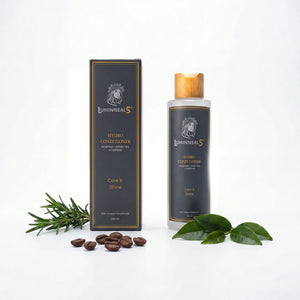
Keep conditioner away from the roots if your scalp tends to get oily. The Luminneal5 Hydro Conditioner (AED 89) is a water-based, non-greasy formula, so it suits mid-lengths and ends well. Apply it there, leave it for a couple of minutes and rinse.
Step 5: Finish with a light scalp treatment
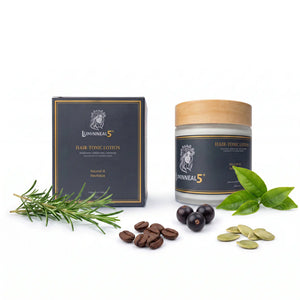
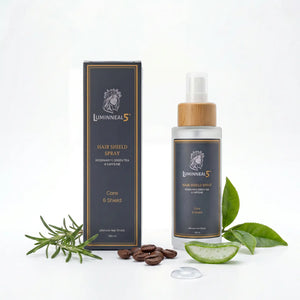
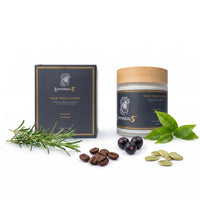
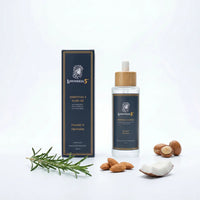
Once the scalp is clean, a leave-in tonic works better because nothing is sitting underneath it. The Luminneal5 Hair Tonic Lotion (AED 199) contains rosemary, green tea, caffeine, saw palmetto, pumpkin seed oil, panthenol and vitamin E. Apply a small amount to the scalp and hair and massage gently in circles. It is designed to nourish the scalp and support a healthier-looking scalp, so a little goes a long way; too much on an oily scalp defeats the purpose.
What to Avoid When You Have Buildup
- Scratching or picking at clumps. This can irritate the skin. Soften them with a thorough wash instead.
- Very hot water. It can leave the scalp feeling tight and may make it produce more oil.
- Skipping the rinse. Take an extra minute to rinse the roots, the nape and behind the ears.
- Adding more and more products. More layers means more to wash off. Keep the routine simple.
- Going too long between washes. If you sweat daily, your scalp may need washing more often than your lengths do.
Habits That Help Prevent Buildup
Wash after workouts or long days in the heat, and let a covered scalp breathe when you are at home. Clean your brushes and combs regularly, change pillowcases often and avoid applying heavy oils straight onto the roots. Our daily hair protection routine and your own wash schedule can work together: protect on busy days, reset properly on wash day.
Your 2027 Scalp Reset Plan
You do not need to fight your scalp. Choose one reset wash day each week, build the routine around clean water and thorough rinsing, and keep conditioner on the lengths. With steady habits you may notice the roots feel lighter and your styling holds better. You can browse the whole Luminneal5 range to build a routine that fits your hair.
If you notice sudden, patchy or persistent hair loss, or your scalp is very itchy, painful or flaking, please speak to a doctor or dermatologist, because those signs can have causes that cosmetic products cannot address.
Enjoy free delivery on orders over AED 300, and use code NEW10 for 10% off your first order. Shop the Luminneal5 range.
Frequently Asked Questions
What are crystallized sebum balls in hair?
They are small waxy or whitish clumps of oil and product residue that can form near the roots. They are a cosmetic buildup rather than a diagnosis, and a thorough, gentle cleanse with good rinsing is the usual first step. If the scalp is sore or you are unsure, see a dermatologist.
Is oxidized sebum bad for hair?
Sebum itself is natural and useful. Oxidized buildup can make the scalp feel heavy and the hair look flat and dull, and it can be uncomfortable if you are sensitive. It is usually manageable with regular, thorough washing.
How do I know if I have sebum buildup?
Typical signs are roots that look greasy soon after washing, a sticky or stale-smelling scalp, whitish clumps at the roots and products that stop working. If the scalp is very itchy, painful or flaking, speak to a doctor.
How often should I clarify my scalp in 2027?
There is no single rule. A weekly reset wash suits many women, and those who sweat daily or cover their hair may prefer to cleanse the scalp more often. Rinse thoroughly each time, and adjust based on how your scalp feels.
Does sweat and AC make sebum buildup worse in the UAE?
They can both contribute. Sweat mixes with oil on the scalp, while air conditioning dries the lengths so it is tempting to add more product, which then builds up. Washing the scalp thoroughly and conditioning only the lengths helps balance both.






0 comments